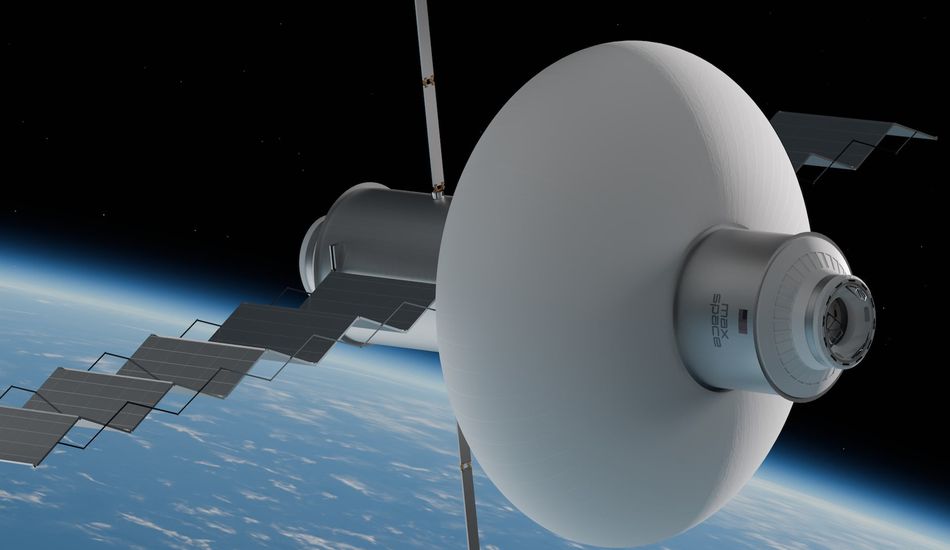
Max Space Aims to Launch Entire Space Station in Single Mission
Imagine launching an entire space station in one go. That's the ambitious goal of Max Space, a Florida startup aiming to revolutionize how we build habitats in orbit. Instead of piecing together modules over multiple launches, they want to send up their "Thunderbird" station, which then expands to a volume of 12,360 cubic feet. Pretty wild, right?
Their secret? Expandable habitat technology. It's a smart approach, especially when you consider the rising costs of space missions. A single launch using SpaceX's Falcon 9 could pack the entire station, saving a ton of money and time. I think it's a solid strategy that could make space exploration more accessible.
Testing the Waters
Before going full-scale, Max Space plans to launch a prototype, "Mission Evolution," in early 2027. This small-scale mission will ride along on a SpaceX ride-share, testing crucial systems like orbital debris protection and life support. It's a critical step to ensure their tech is ready for prime time. If it succeeds, that is.
The story behind Max Space is also interesting. Founded in 2023, they initially aimed to provide expandable modules to other companies. However, NASA's evolving approach to commercializing low Earth orbit caught their eye. NASA's looking for alternatives to the International Space Station (ISS), which is slated for retirement around 2030. So, instead of fixed-price contracts, NASA is now offering smaller, more flexible Space Act Agreements.
This shift in strategy was a game-changer for Max Space. According to Saleem Miyan, their CEO, it presented an opportunity to demonstrate how their modules could be used for human habitation. And honestly, it was about time. The ISS is getting old.
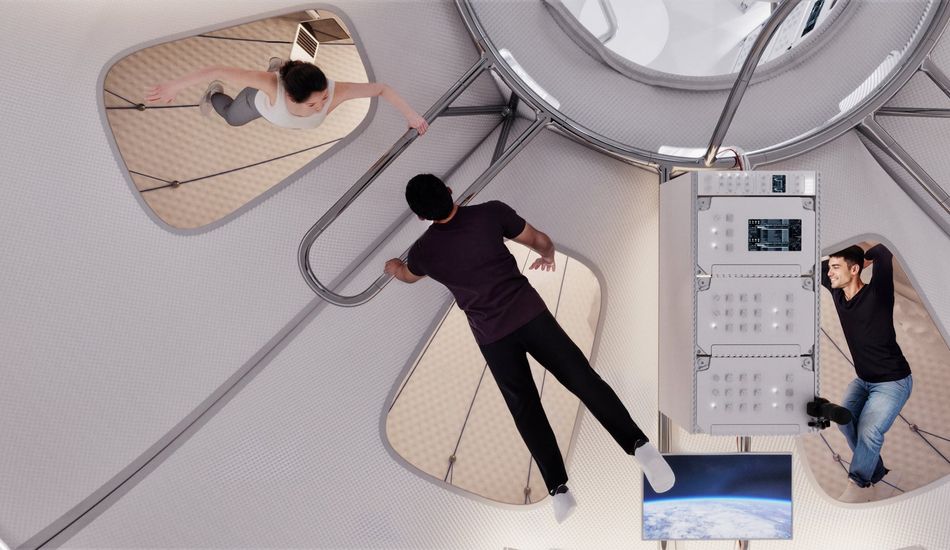
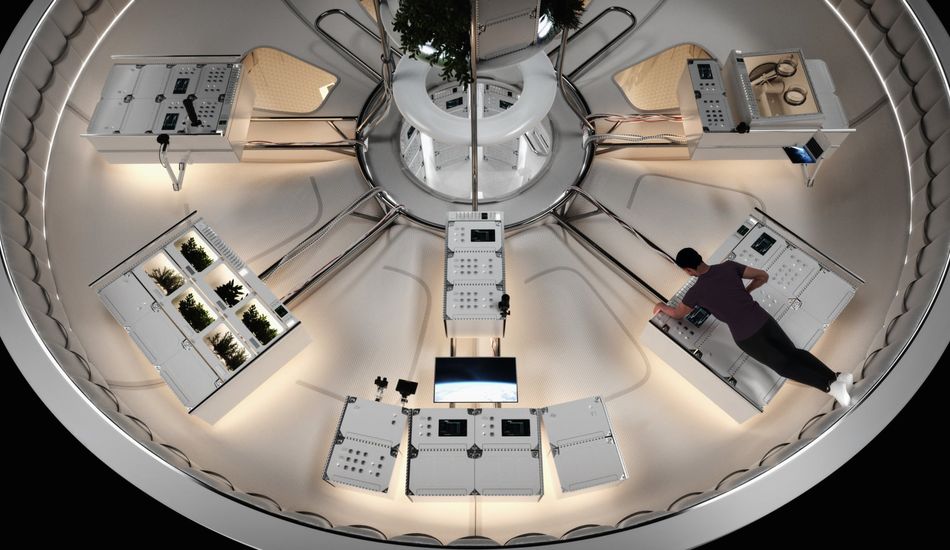
What sets Thunderbird apart? It's not just inflatable; it features soft interior elements and a reconfigurable layout. This allows astronauts to adapt the living spaces for different purposes, like conducting experiments. Plus, it is designed to accommodate four astronauts and can be used for research, pharmaceutical manufacturing, and more. Sounds like a pretty versatile setup, I must say.
If all goes according to plan, Max Space aims to launch Thunderbird as early as 2029. Their ambitions extend beyond Earth orbit; they envision using the same technology for habitats around the Moon and Mars. It's a bold vision, and while there are certainly challenges ahead, their expandable module approach could be a key piece in the future of space exploration. It is a good shot!
2 Images of Space Station:
Source: Gizmodo