US Data Centers Could Drain Cities of Water by 2030 Due to AI Demands
Alright, let's talk about something you probably haven't considered when thinking about the rise of AI: its insatiable thirst. All those fancy AI models need massive data centers to run, and these centers? They guzzle water. A recent study, led by Shaolei Ren at UC Riverside, suggests that by 2030, data centers in the U.S. might need as much extra water as New York City uses daily. Seriously, that's insane.
The study, which is available on arXiv (but hasn't been peer-reviewed yet), highlights a growing problem: water scarcity could seriously hamper the growth of data centers. After all, these server farms generate a ton of heat, and the most efficient way to cool them down is with water. Think about it – all those servers working around the clock. They're basically like tiny space heaters packed into a giant room!
The Cooling Conundrum
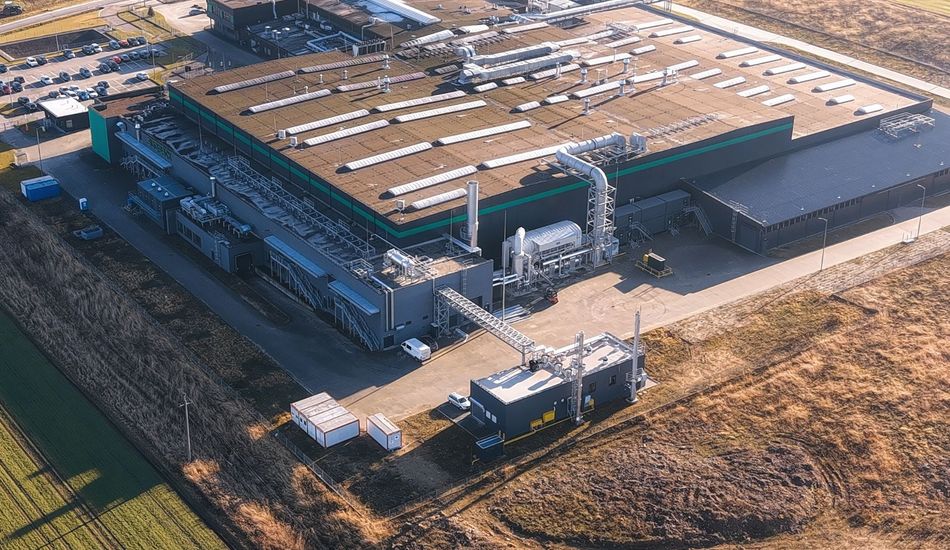
Tech companies will often claim they recycle most of their water using "closed-loop" systems. And while that might be true to some extent, even these systems need a lot of water to function. They often rely on evaporative cooling towers to get rid of heat, and those towers can drink up a million gallons of water a day, easy. Some planned facilities might even need up to 8 million gallons daily! That's a small lake!
Public water systems need to be ready to handle peak demand, and a data center's peak water usage is a huge factor. But, frustratingly, most data center operators only reveal their total annual water use. This makes it difficult to get a clear picture of the real strain they're placing on local resources.
Ren and his team dug into public records and water utility databases to figure out the peak water demand of U.S. data centers. Their findings? If things keep going as they are, U.S. data centers will need an extra 697 million to 1.45 billion gallons of water per day by 2030. Building that extra capacity could cost between $10 billion and $58 billion, and a lot of that cost could fall on the communities that host these data centers.
And get this: Ren says that estimate is "very conservative." Their calculations assume a peak-to-average daily water use ratio that's on the low side. Ouch.
The Consequences of Thirst
What happens if we don't address this water problem? Well, it could make data center projects more expensive and delay them. It could also force data centers to switch to air cooling when water is scarce. The problem is, air cooling is far less efficient, which means they'll need even more electricity, putting even more strain on the power grid. It's a vicious cycle!
So, what can be done? Ren and his colleagues have a few ideas. First, they say data centers need to report their peak demand, not just their annual usage. Second, they suggest creating partnerships between tech companies and local communities to fund water infrastructure upgrades. It shouldn't be up to the residents to foot the bill for all this extra water capacity.
As Ren pointed out, these tech companies are profit-driven. If they're willing to invest in water infrastructure, it's because they know there's a problem. If we don't change course, these companies and the communities around them are going to face some serious consequences.
Source: Gizmodo