San Francisco's Robotaxi Meltdown: Decoding Waymo's Blackout Response
So, San Francisco had a power outage, and things got a little weird for Waymo's robotaxis. I mean, picture this: the city goes dark, and suddenly, these self-driving cars are like, "Uh, what do we do now?". Honestly, it's the kind of scenario that makes you wonder if we're living in a sci-fi movie.
According to Waymo's own explanation, their cars are designed to treat dark traffic lights as four-way stops. Which sounds reasonable, right? However, apparently, the sheer number of dark signals all at once caused a backlog of requests for human feedback. Think of it as the robot equivalent of calling tech support and being put on hold forever. This backlog, Waymo admits, contributed to even worse traffic. Can you imagine the chaos?
Waymo, very carefully, calls its human backup system "fleet response." It's what happens when the "Waymo Driver" gets confused and needs a little help from a human. I get it; they don't want to call them "remote drivers," but let's be real, it's basically the same thing. A human gives the car some direction, especially when it encounters something truly unusual, like, say, a city-wide blackout. It seems like they want to make it clear it's not a "bailout" situation. I would like to see it, and honestly, I think it is, if you ask me.
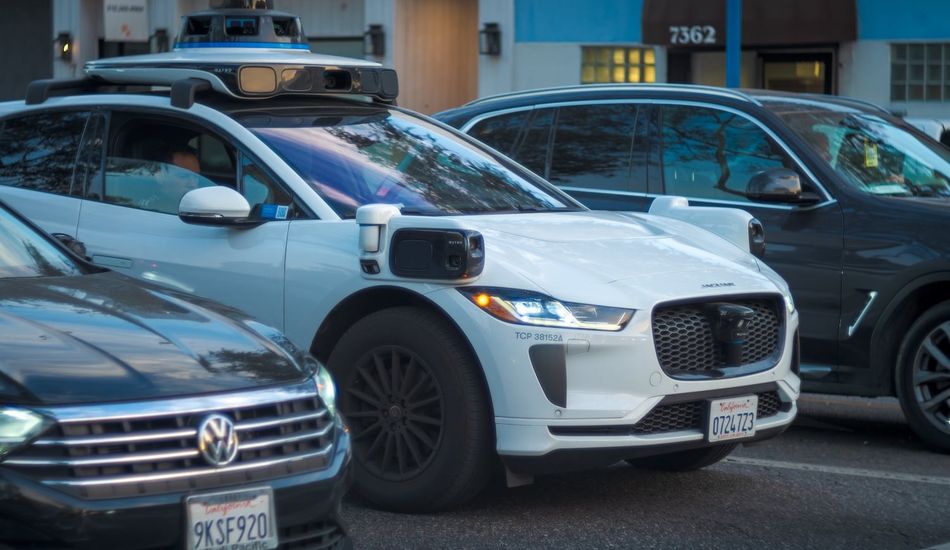
So, what did Waymo do? They decided to have their fleet pull over and park. Which, from the outside, looked like a robotaxi apocalypse. Social media was flooded with pictures of Waymos stranded in intersections or parked haphazardly on the side of the road. It looked pretty bad. If you ask me, I think that the Waymo tried to solve the problem as fast as they could. However, it's also reasonable for Waymo to want to avoid a critical mass of Waymos disrupting San Francisco, and thus making the vehicles just wait on the side of the road until their group is called.
Now, here's where it gets interesting. Waymo's postmortem doesn't mention any plans to introduce remote drivers or tweak the fundamental driving software. Instead, they're focusing on integrating more information about outages, updating their emergency preparedness, and expanding their first responder engagement. Which, okay, sounds responsible, but it doesn't address the core issue: these robotaxis are still prone to failing in unpredictable ways.
I think that we can all agree that robotaxis are programmed to drive conservatively, and thus have boy scout-like behavior records in aggregate. Waymo ends its postmortem with a note of defiance, saying they're "undaunted" and "proud" to serve San Francisco. That's great, but I can't help but wonder if they're truly prepared for the next unexpected glitch in the matrix.
Source: Gizmodo