Reliance Invests $110B to Boost AI Infrastructure in India
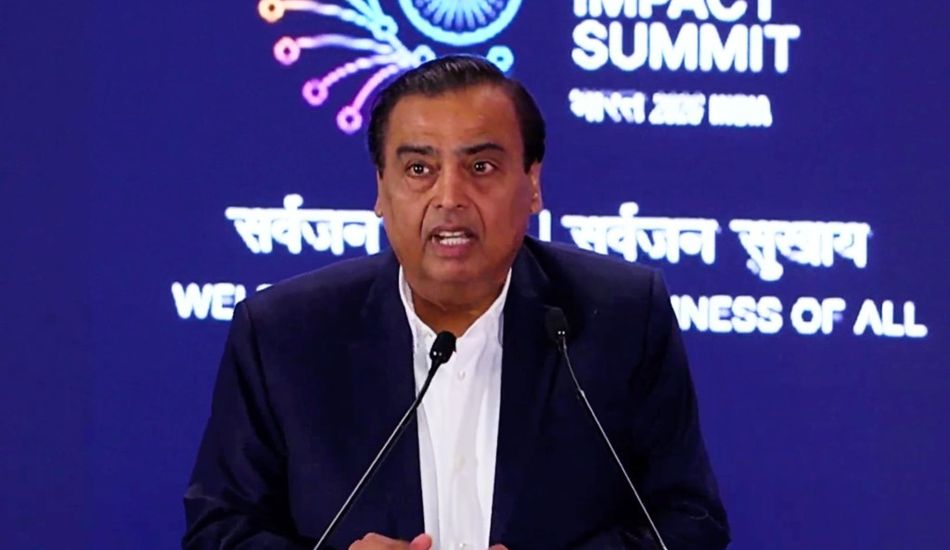
Okay, so Mukesh Ambani, head honcho at Reliance, just dropped a massive bomb: they're planning to pump a staggering $110 billion into building AI infrastructure across India over the next seven years. I mean, that's a serious commitment to the future.
Basically, we're talking about building huge data centers, a widespread network, and integrating AI into Reliance's Jio platform. They've already kicked things off with some major data centers in Gujarat, and they're expecting to have a decent chunk of capacity up and running by the latter half of 2026.
This move comes amid a larger surge of AI investment in India. Adani Group, for example, has similar plans. Even the Indian government is betting big on AI, anticipating over $200 billion in infrastructure spending in the next couple of years.
And it's not just local players. Global tech giants are also getting in on the action. OpenAI is teaming up with the Tata Group to build AI capacity, with plans to scale it up significantly. It seems everyone wants a piece of the Indian AI pie!
According to Ambani, this push is essential for India to become technologically independent. He believes they can't rely on other countries for AI. Reliance aims to make AI services more affordable, just like they did with mobile data prices.
For me, it's clear that he sees access to processing power as a major obstacle for AI development.
To support this massive infrastructure build-out, Reliance will leverage its green energy capacity, which includes a surplus of power from solar projects. Also, Reliance plans to collaborate with Indian businesses, startups, and universities to integrate AI into various industries like manufacturing, logistics, agriculture, healthcare, and finance.
Furthermore, Jio has already been forming AI partnerships, including a deal with Google to provide free access to Gemini AI Pro for its Indian users.
Reliance is also focused on developing AI capabilities in multiple Indian languages. The goal is to encourage the adoption of AI across the country.
Ultimately, this aggressive move highlights how India's largest companies are racing to establish themselves in what is expected to be a massive technological opportunity. It's a high-stakes game, and it will be interesting to see how it all plays out.
Source: TechCrunch