Paper Art Inspires New Morphing Material with Amazing Potential
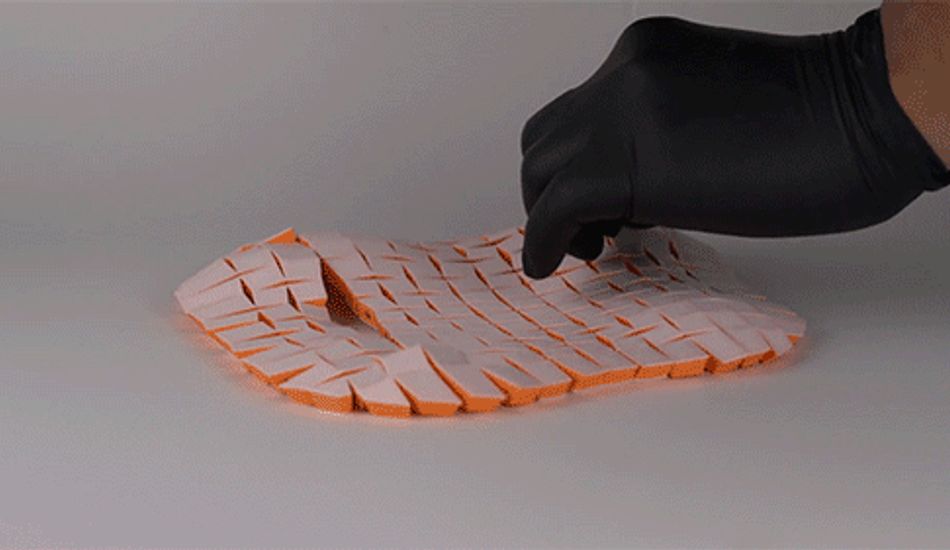
Isn't it wild how math and art sometimes blur together? Turns out, the same thing can happen with material science and paper art! Researchers have cooked up a flat, tiled pattern that doesn't seem like much at first. However, when you tug on a little string, BAM! It morphs into pretty much any 3D shape you can imagine.
This new material takes its cues from kirigami, the Japanese art of paper cutting. I can see it having tons of cool uses. Think portable medical gadgets, robots that fold up for easy travel, or even space habitats we can assemble on Mars. Seriously, the possibilities are mind-blowing!
The brains behind this innovation are from MIT's Computer Science and Artificial Intelligence Laboratory. They've laid out all the details in a paper published in ACM Transactions on Graphics.
How Does It Work?
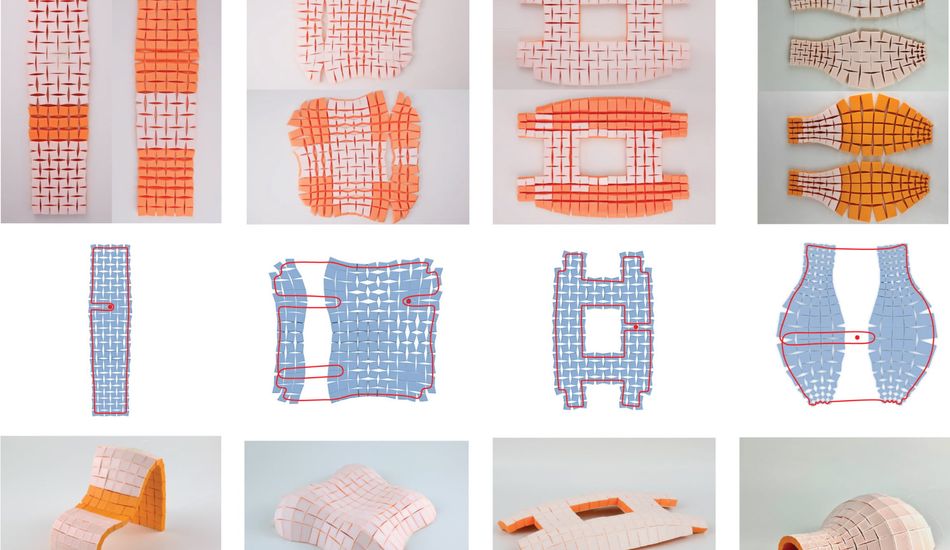
Basically, the researchers created a clever algorithm. It takes a 3D design and translates it into a flat grid made of quadrilateral tiles. It's similar to how kirigami artists cut paper in specific ways to give it special properties. The cool thing is that the material uses something called an auxetic mechanism. This means it gets thicker when you stretch it, but thinner when you compress it.
The algorithm figures out the perfect path for the string, minimizing friction and connecting all the important points on the surface. That way, pulling the string smoothly transforms the grid into the desired 3D structure. According to Akib Zaman, the lead author of the study, the simple actuation mechanism is a real win. Users just feed in their design, and the algorithm handles the rest automatically.
After a bunch of simulations, the team put their method to the test by creating some real-world objects. They made medical tools like splints and posture correctors, as well as cool igloo-like structures.
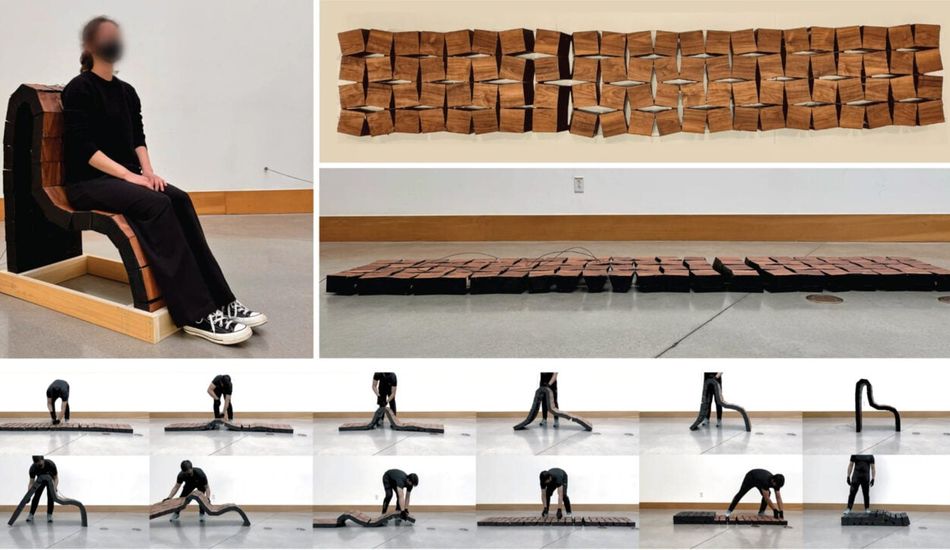
Because the algorithm doesn't care about the manufacturing method, the researchers even used laser-cut plywood boxes to build a full-sized, deployable chair. And get this: it actually worked as a chair! That's pretty awesome, right?
Of course, building larger structures will come with its own set of engineering challenges. But the team is excited to explore ways to overcome them. They're also looking into building even smaller structures using this technique. It seems like the sky's the limit, and I'm excited to see where they go with this!
2 Images of Material Science:
Source: Gizmodo