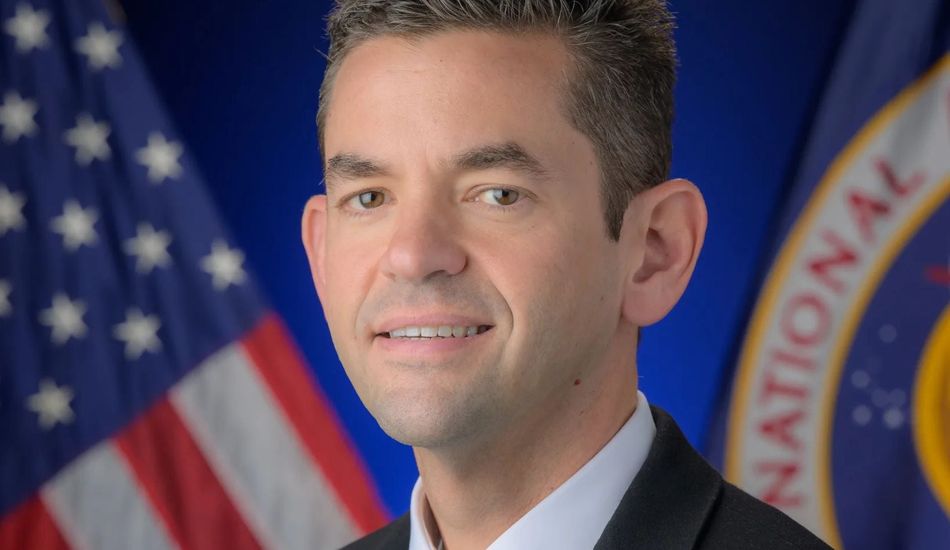
NASA's New Chief: Sweeping Changes and a Focus on Mars
So, Jared Isaacman, the pilot and billionaire who's been to space twice, is now officially in charge at NASA. He's stepping into a situation where the agency is facing some serious challenges, and he's got some big ideas about how to shake things up. I mean, the guy's not exactly known for being shy about making changes, right?
A 62-page document called "Project Athena" that outlines Isaacman's plans for NASA was leaked not long ago. It basically lays out his goals for his first 20 days. Keep in mind, this is more like a wish list than a concrete plan. He'll need Congress to sign off on any major changes. However, it does give us a pretty good idea of where he wants to take the agency.
NASA's got some serious efficiency problems. Space exploration is incredibly tough and expensive. Several important missions are behind schedule and way over budget. Isaacman wants to address these issues head-on, especially with the pressure to beat China in the space race to the Moon and Mars. It is like trying to fix a car while driving at full speed, right?
Restructuring the Workforce
Around day three, he plans to take a close look at NASA's workforce and how things get done. According to Project Athena, he wants to "[identify] those that should be recognized and those that need improvement or potentially separation from the agency." I think we should keep in mind that NASA has already had layoffs so it might not be job cuts.
He also wants to make the organization flatter, get rid of deputy and assistant roles, end long meetings, and stop boards and committees that slow down decisions. He basically wants NASA to run more like a business.
Project Olympus: Eyes on Mars
Once NASA is running more efficiently, Isaacman wants to launch "Project Olympus". This is a program to send an unmanned mission to Mars in 2026. The goal is to set up the first infrastructure on Mars. It would pave the way for future crewed missions. Even though going back to the Moon is a bigger priority, Isaacman believes NASA can work on both at the same time.
To get to Mars, he wants to expand NASA's nuclear electric propulsion program. Instead of using traditional combustion reactions, this type of propulsion uses atomic fission reactions to generate energy. It would basically provide unlimited power for deep-space missions. I wonder if it would be viable. It is interesting to look for alternative ways to propel our spaceships.
Aeronautics: Don't Forget About Flying
Let's remember that the "A" in NASA stands for Aeronautics. This part of the agency researches and develops new aviation technologies. Isaacman wants to consolidate all aeronautics activities under a single mission directorate, likely at Armstrong Flight Research Center. He also wants to review all programs and focus on cutting-edge technology. I think it's important to not forget about the planet we already live on.
Will Isaacman be able to achieve all of this in his first 20 days, or at all? Only time will tell. It's clear that he's not planning on doing things the same old way. I believe that with high expectations for NASA, he'll face a lot of pressure to get the agency back on track quickly.
Source: Gizmodo