Investors Bet Big on AI: What Startups Need to Stand Out
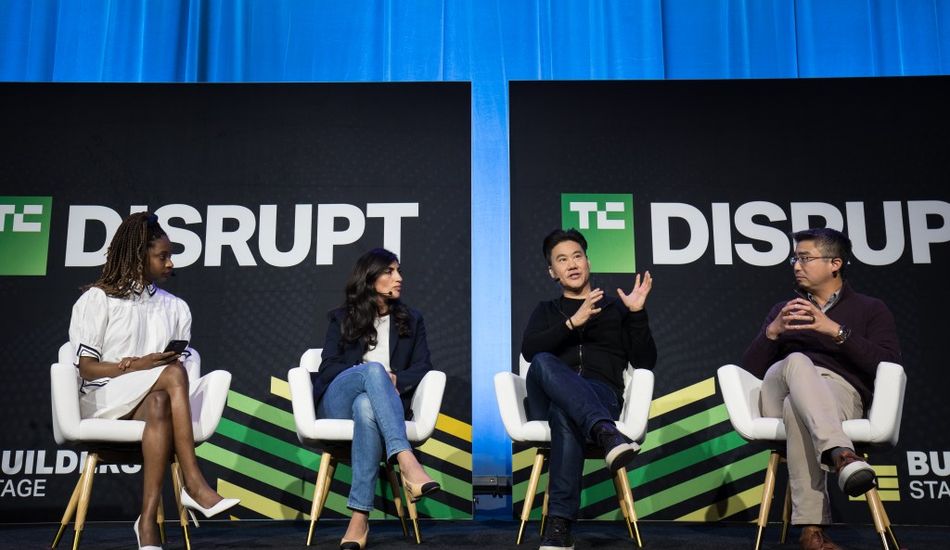
So, it seems everyone's talking about AI. And I mean everyone. Recently, at a big tech event, it became crystal clear that venture capitalists are laser-focused on artificial intelligence. They're all hunting for the next big thing, but what does this mean for startups trying to break into an increasingly crowded field?
According to some of the top VCs, the name of the game is resilience. The AI landscape is changing at breakneck speed, and startups need to prove they can adapt. Investors want to see founders who are genuinely passionate and knowledgeable, and who have a firm grasp on their product-market fit. It's not enough to just ride the AI wave; you need to show you can navigate the choppy waters.
One of the trickiest things is that companies are so eager to try out the latest AI tools that startups might get a false sense of security. They might see revenue coming in, but it doesn't necessarily mean their customers are getting a real return on investment. That's why VCs are looking for founders who can pivot when the market demands it. It's a harsh reality, but as one VC put it, a ton of startups fail, so resilience is key.
If you're a founder, you need to figure out what makes your product unique. What's your data "flywheel" that sets you apart from the competition? Keep in mind that those big companies testing your product are probably testing several others too. The key is to solve a real need for them in a way they can't do themselves. Data management is where the real value lies.
Another crucial question you need to answer: why can't your product simply become a feature in one of the foundational AI models? It's okay if you don't know what the model makers are working on, but you should have a solid theory about how your business is defensible when you're pitching to investors.
Right now, the most popular AI applications seem to be in chat apps, coding apps, and customer service. However, there's still plenty of room for AI to transform other sectors. I'm personally excited to see how AI can revolutionize healthcare, for example. Imagine AI-powered tools that can help doctors diagnose diseases earlier and more accurately! However, that´s just my opinion.
It´s clear that AI has now permeated almost all blue-collar industries, which still handle many processes manually. But, those acknowledged that it is ripe for automation by AI
Source: TechCrunch