
India Extends Startup Benefits to Bolster Deep Tech Innovation
India's betting big on deep tech, and honestly, it's about time. These aren't your run-of-the-mill startups churning out apps; we're talking about companies diving into space, semiconductors, biotech – the kind of stuff that takes serious time and investment to develop. So, what's changing?
Well, the Indian government's tweaking its startup rules to give these deep tech ventures a longer leash. Think about it, these companies need way more time than your average social media platform to get off the ground. You can't rush scientific breakthroughs or engineering marvels, after all. It's like expecting a fine wine to be ready in a week – some things just need time to mature.
For starters, they're doubling the period these companies are considered startups – now a whopping 20 years. And they're upping the revenue limit for those sweet startup perks, like tax breaks and grants, to around $33 million. This is important, because if these companies are considered "not a startup" too early, they could lose access to critical resources before they've even had a chance to truly take off.
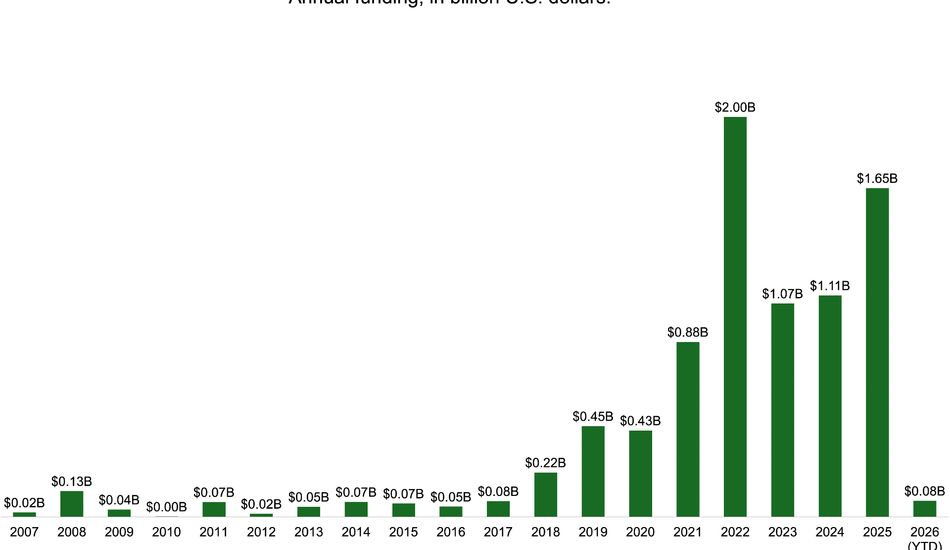
More funding is on the horizon, too. India's throwing some serious cash at R&D, which should help these companies with what they need most: Patient financing. It's not just about getting money; it's about getting money that understands the long game. Private investors are also joining the party, launching initiatives like the India Deep Tech Alliance, a coalition with over a billion dollars ready to invest.
Why This Matters
I think this is a smart move because it aligns the rules with reality. Previously, deep tech companies were being judged on the same timeline as software startups, which is like comparing apples and oranges. It created unnecessary pressure and could have led to some promising ventures being written off too soon.
Of course, money isn't everything. Investors are saying that access to capital, especially beyond the early stages, is still a major hurdle. That's where the government's R&D fund comes in, designed to fill those gaps without messing with the normal rules of private investment.
While India's deep tech scene is still smaller than the US or China, it's definitely gaining momentum. Funding is up, and there's a growing sense of confidence in areas like advanced manufacturing and climate tech. Whether this will keep more Indian startups from relocating overseas remains to be seen, but it definitely strengthens the argument for building and staying in India. Access to capital and customers, of course, remain vital.
Ultimately, the goal isn't just to create more startups; it's to create globally competitive companies. The real test will be whether India can produce a critical mass of deep tech successes that can hold their own on the world stage. And personally? I'm excited to see what the next decade brings.
1 Image of Deep Tech:
Source: TechCrunch