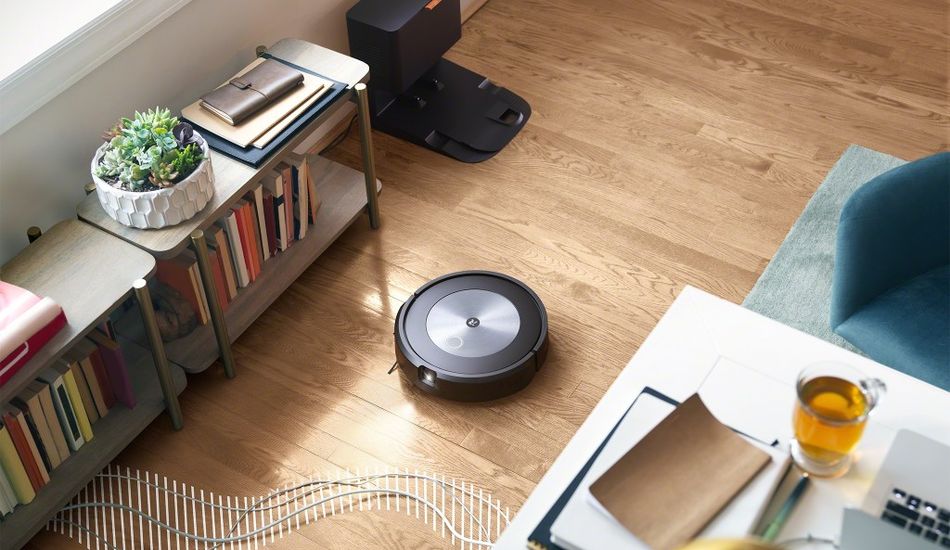
iRobot's Bankruptcy: Was it Regulation or Lack of Innovation?
It's a tough pill to swallow when you see a company like iRobot, the brains behind the Roomba, file for bankruptcy. I mean, who hasn't dreamt of a little robot zipping around, taking care of the chores? But, sadly, that dream hit a snag. According to iRobot's founder, Colin Angle, "avoidable" regulatory opposition is the culprit behind this unfortunate turn of events.
The drama unfolded after Amazon decided to ditch its plans to buy iRobot for a cool $1.7 billion. This happened after a year and a half of intense scrutiny by the FTC and European regulators. Angle didn't hold back in expressing his frustration, pointing to the chilling effect this has on entrepreneurs and his determination to forge ahead with a new venture in consumer robotics.
Angle believes regulators got it all wrong by blocking the Amazon acquisition. He argues that the merger was actually a chance to boost innovation and give consumers more choices, especially since iRobot was facing tough competition. In the EU, iRobot had a 12% market share that was actually shrinking. In the US, while their market share was larger, it was also declining, with new and innovative competitors entering the scene. For Angle, this should have been a quick and easy decision for regulators.
The 18-month investigation was no walk in the park. Angle described it as an incredibly costly and time-consuming process. Can you imagine having to produce over 100,000 documents? iRobot poured a huge chunk of its earnings into meeting the demands of the transaction. Amazon, of course, spent even more. Angle even mentioned seeing examiners at the FTC proudly displaying blocked deals as "trophies" – a detail that I found particularly disheartening.
The Impact on Startups and Innovation
What does this mean for other startups dreaming of being acquired? Angle fears it creates a chilling effect, making entrepreneurs wary of pursuing acquisitions as an exit strategy. This uncertainty can impact investment decisions, company valuations, and even the rate at which new companies are formed. It's a reminder that the path of an entrepreneur is already challenging, and unnecessary hurdles from regulators can stifle innovation.
Angle also reflected on iRobot's early days, sharing stories of building robots for Mars missions, disaster relief efforts, and even military applications. The Roomba, surprisingly, didn't come along until 12 years after the company was founded. It was a gamble that paid off, thanks in part to a quirky Pepsi commercial featuring Dave Chappelle and a mischievous Roomba.
Lessons Learned and the Future of Robotics
I found Angle's insights for aspiring robotics entrepreneurs particularly valuable. He stressed the importance of understanding your market and building something that delivers more value than it costs to create. It's easy to get caught up in the excitement of robotics and build something cool, but it's crucial to focus on solving a real problem for consumers.
Looking ahead, Angle is diving back into the world of consumer robotics with a new company focused on building robots with emotional intelligence for health and wellness applications. It's a fascinating concept, and I'm eager to see what he comes up with next. One thing is clear: Angle's passion for robotics hasn't wavered, and he's determined to continue pushing the boundaries of what's possible.
Source: TechCrunch