Humanoid Robots & Auto Industry Shake-Ups: A CES and Beyond Recap
Just got back from CES, and let me tell you, it was robot-mania! Forget about traditional cars; U.S. automakers seem to have taken a backseat, replaced by a surge of autonomous vehicle tech and, more surprisingly, humanoid robots. It felt like stepping into a sci-fi movie, with companies showing off everything from autonomous forklifts to eerily human-like machines.
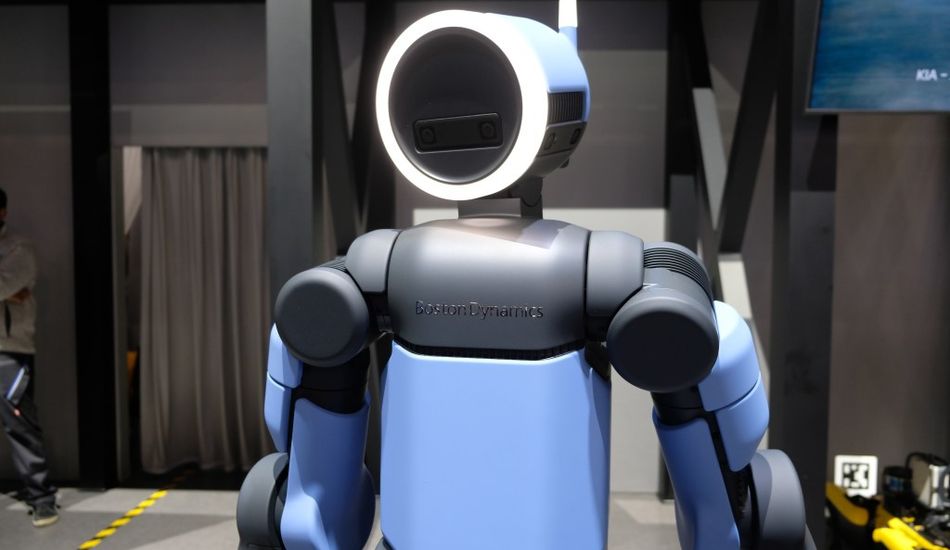
Nvidia's CEO, Jensen Huang, has a name for this: "physical AI." It's basically taking AI out of your phone or computer and putting it into real-world objects. Think AI models combined with sensors and cameras, allowing robots to understand their surroundings and make decisions. Hyundai, for instance, showcased a range of robots, including Boston Dynamics' Atlas. It was a clear sign that the robotics revolution is no longer a distant dream.
The Hype Factor: Real Deal or Overblown?
Of course, the big question is whether this humanoid craze is justified or just another tech bubble waiting to burst. Mobileye's co-founder, Amnon Shashua, makes a compelling point. He compared it to the internet boom of the early 2000s. Sure, there was hype and overvaluation, but that didn't negate the internet's transformative power. He believes humanoids are a "real" domain, and I'm inclined to agree. There's something incredibly exciting about the potential of these machines to assist us in various aspects of life.
However, It's not just robots stealing the spotlight. We've also got Uber teaming up with Lucid and Nuro for robotaxis, and Mobileye acquiring Mentee Robotics. It looks like the future of transportation is gearing up, and it's going to be wild.
On other news, Trump's recent comments about welcoming Chinese automakers into the U.S. have stirred up quite a controversy. While he frames it as a job creation opportunity, many in the auto industry are concerned. There are fears that allowing Chinese automakers into the U.S. could jeopardize the progress made in securing our supply chains and critical materials. It's a complex issue with potential risks, and the industry is right to be wary.
Speaking of global shifts, Canada is taking a different approach, slashing import taxes on Chinese EVs. This could give Chinese automakers a significant advantage in the Canadian market. This move has the U.S. industry on edge. Will it backfire? Only time will tell, but it’s a situation worth watching closely.
Also, Luminar, once valued at $11 billion, is selling its lidar business for a mere $22 million. That's a brutal reminder of how quickly things can change in the tech world.
Motional, the Hyundai-backed autonomous vehicle company, is back with a new AI-first approach. I had the chance to take a demo ride and interview the CEO, Laura Major. I will delve deeper into what she shared and give an update on Waymo’s NYC permit. It’s a testament to the resilience of the industry and the unwavering belief in the potential of self-driving technology.
New York is planning to introduce legislation to legalize robotaxis outside of New York City. Could this pave the way for a wider adoption of autonomous vehicles in the state?
Finally, Tesla is ditching the one-time fee for its Full Self-Driving (Supervised) software in favor of a monthly subscription. Also, Wing is expanding its drone delivery service to 150 Walmart stores. It seems like there's always something new happening!
3 Images of Humanoid Robots:






Source: TechCrunch