EU's DMA Sparks Alternative App Stores: A New Era for iOS?
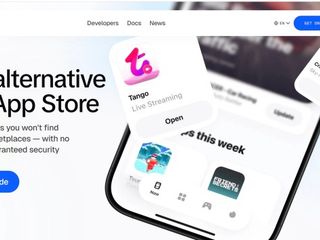
The Digital Markets Act (DMA) in the European Union has shaken things up, and I'm here for it. Finally, iPhone users in the EU have choices! We're talking about alternative app stores, a move designed to inject some much-needed competition into the app ecosystem.
So, what's the deal? Think of it as opening the floodgates for a broader range of apps on your Apple device, without Apple having the final say on everything. It's not a complete free-for-all, though. These alternative marketplaces have to ensure apps meet basic safety standards, like being malware-free.
However, each store gets to decide its own rules for approving apps, and they're responsible for support and refunds, not Apple. To me, that sounds like a fair deal. While Apple does collect a Core Technology Fee of €0.50 for each first annual install of their marketplace app, even before hitting 1 million installs, some developers have jumped at the chance to distribute apps outside Apple's control.
It's not just the EU, either. Japan's getting in on the action too! They're experimenting with alternative app stores as well.
Meet the Contenders
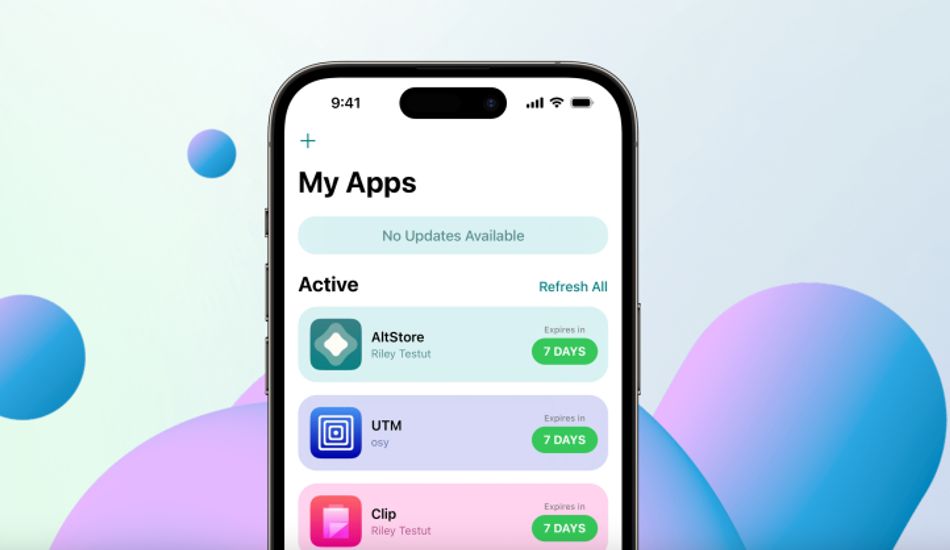
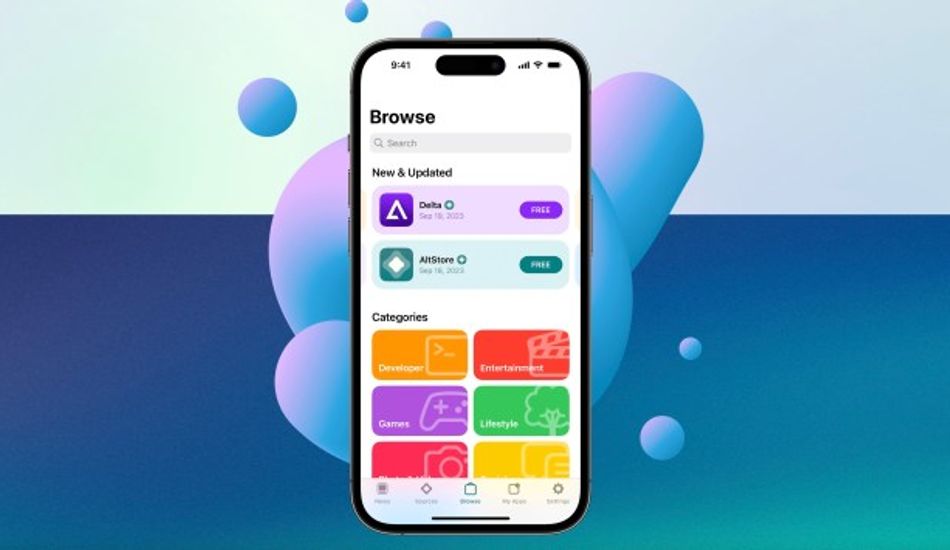
Let's talk about some of the players in this new game. AltStore PAL, created by the guy behind the Delta Nintendo emulator, is officially approved. It's an open-source store where indie developers can showcase their creations.
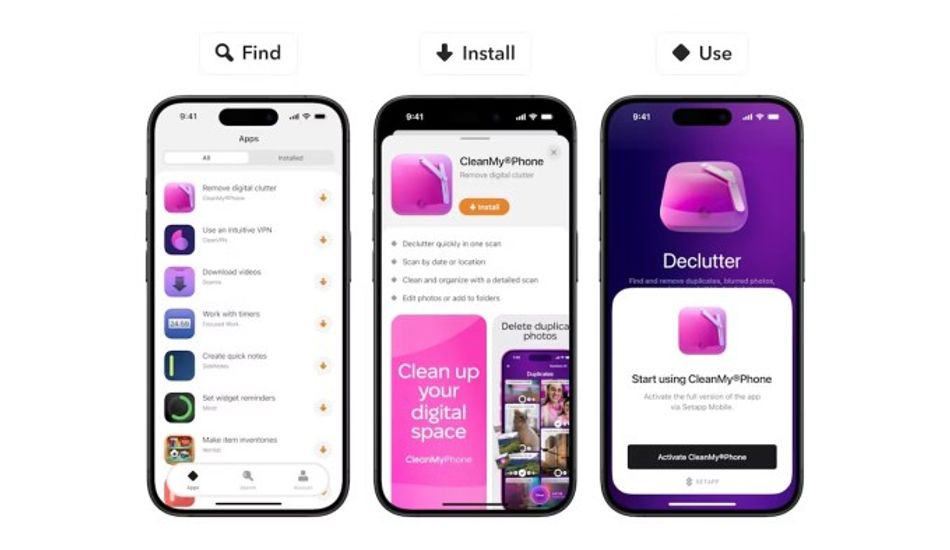
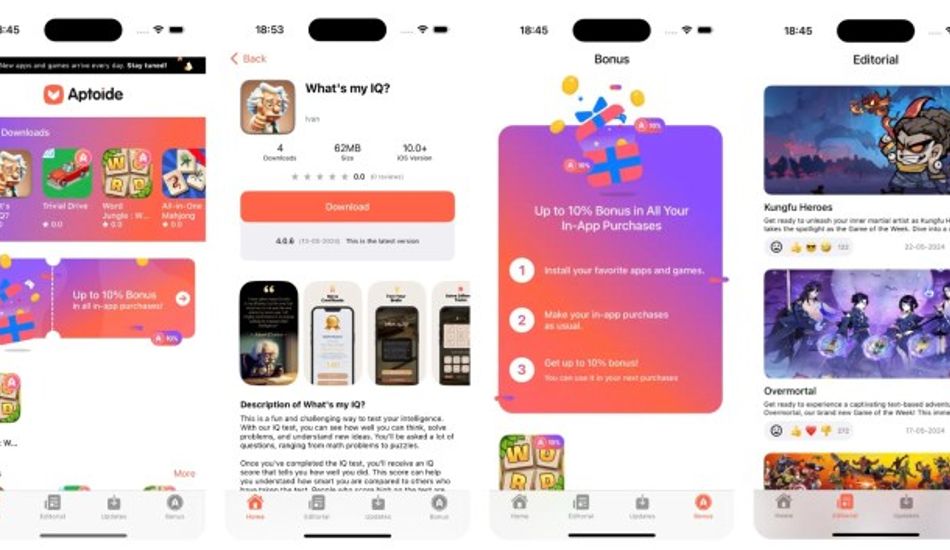
Epic Games, the folks behind Fortnite, launched their own iOS app store in the EU back in August 2024. And after a short-lived attempt, Setapp closed down their mobile store due to the confusing rules. Also, Aptoide, an established alternative app store, is making waves with its iOS version. I've heard they have over 430 million users across all platforms.
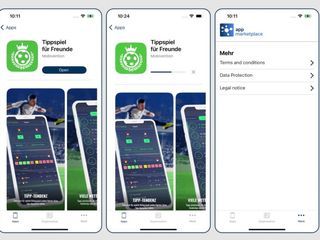
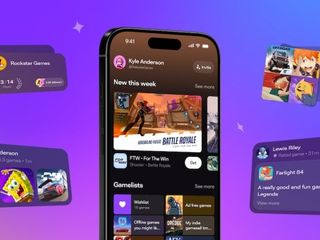
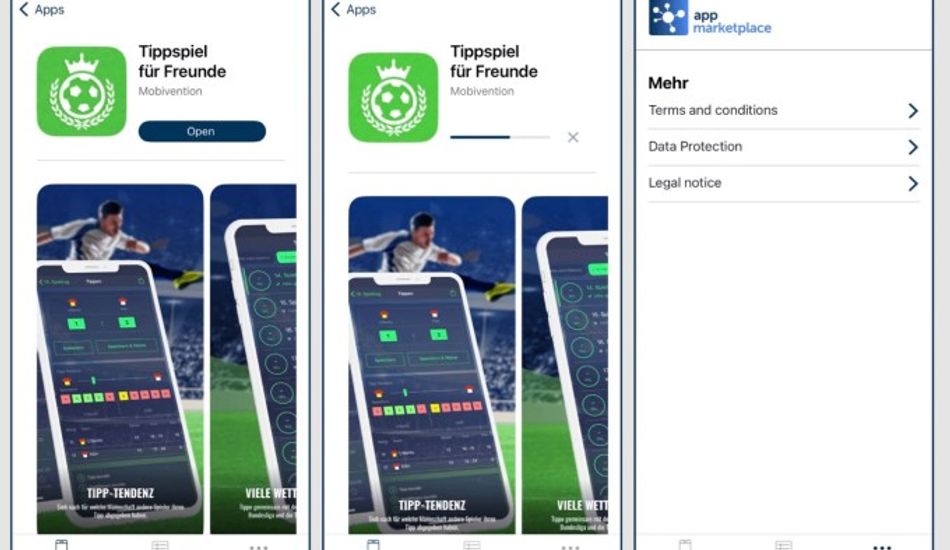
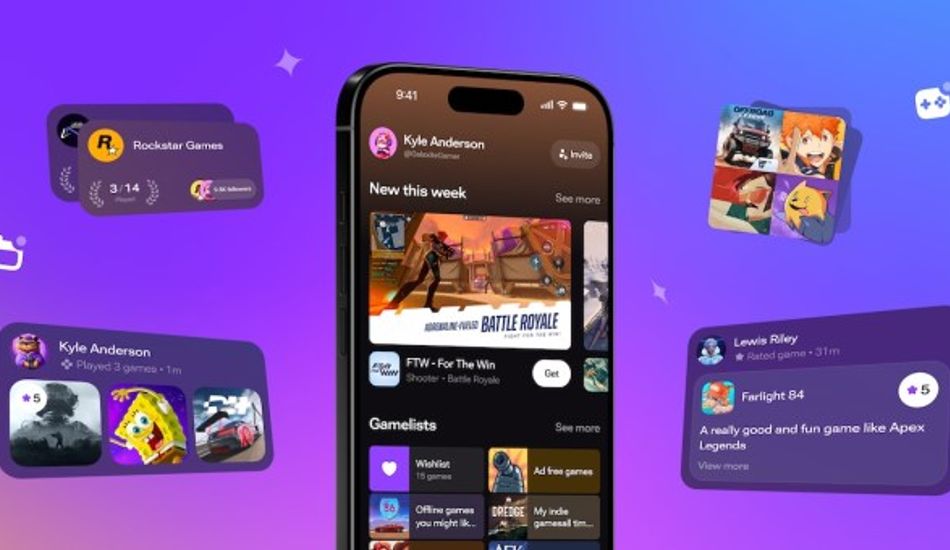
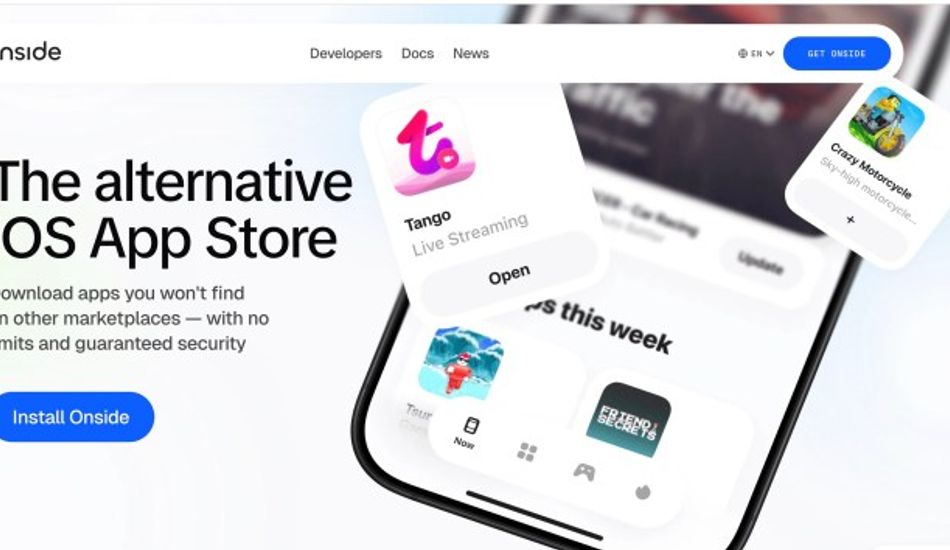
There are other players too, like Mobivention, which focuses on internal business apps, Skich, with its Tinder-like app discovery, and Onside, now available in Japan, promising lower rates for developers.
For me, the most interesting thing about AltStore is how it works. Developers self-host their apps, creating a "source" that users add to their AltStore. This means you only see the apps you've specifically added. UTM, the virtual machine app, and OldOS, the iOS 4 recreation, are gaining attention in AltStore PAL.
It's still early days, and it will be interesting to see how these alternative app stores evolve and whether they can genuinely challenge Apple's dominance. I think these new app stores provide more options for users and developers alike, and that's something I can definitely get behind.
6 Images of App Stores:
Source: TechCrunch