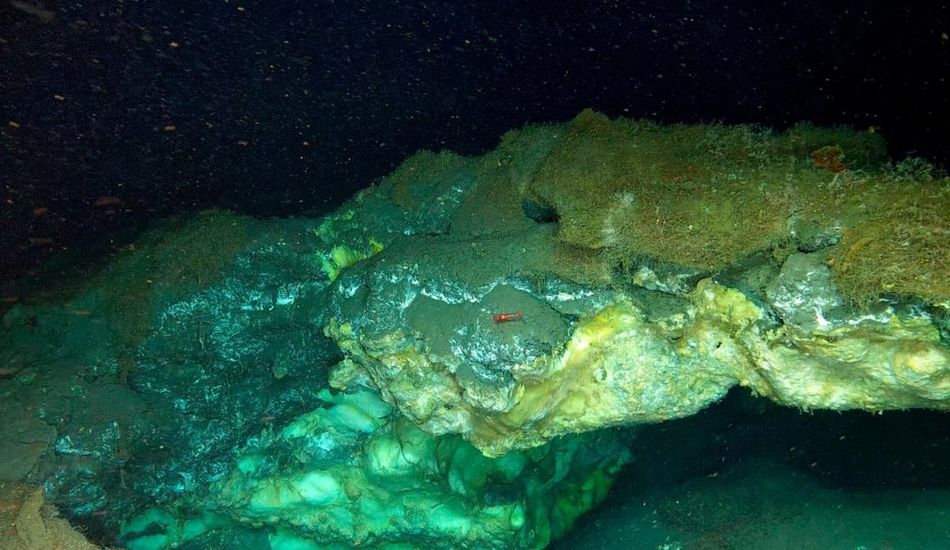
Deepest Arctic Vents Discovered—A Hidden World Teeming With Life
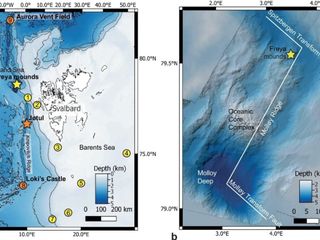
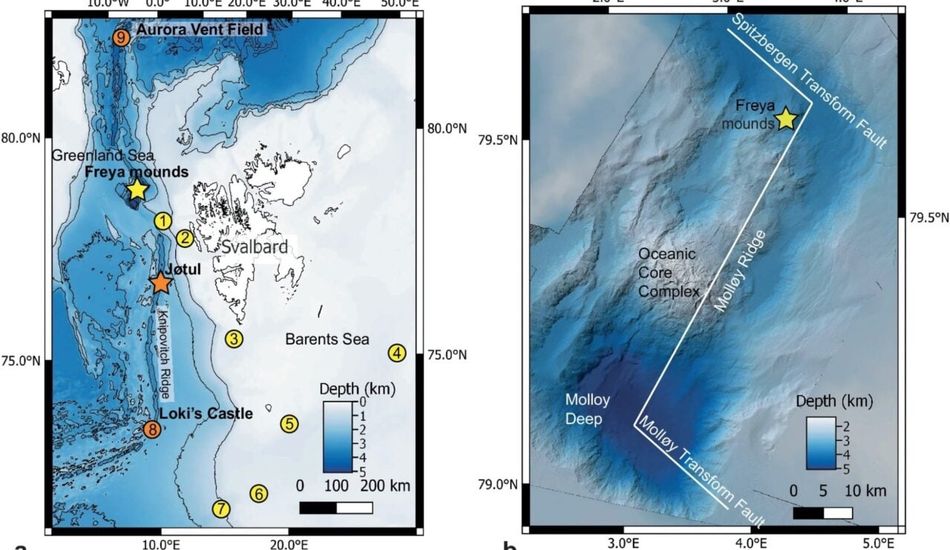
Okay, so scientists just stumbled upon something seriously cool in the Arctic – the deepest gas hydrate vents *ever* discovered. We're talking about the Freya Hydrate Mounds, chilling way down under near Greenland at almost 12,000 feet! That's deeper than anyone thought possible for these kinds of vents. And it's not just the depth that's mind-blowing; a massive plume of methane gas, towering over 10,000 feet, was spotted rising from the site. Can you imagine?
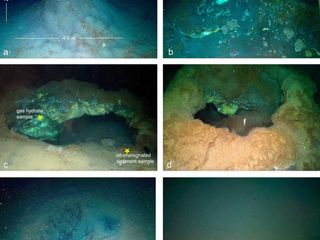
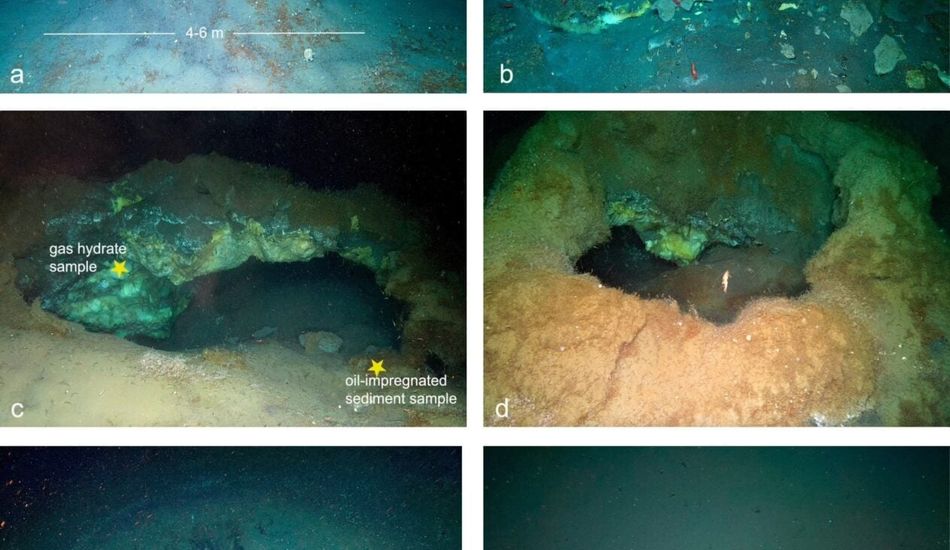
These aren't your run-of-the-mill underwater cracks. Gas hydrates are basically water and gas molecules jammed together into a crystalline solid under intense pressure. These Freya Mounds are "cold seeps," which, unlike their volcanic cousins (hydrothermal vents), are colder and ooze out oil and methane. They also hang around much longer. Before this discovery, the deepest cold seep found was only around 6,500 feet. This new find just throws everything we thought we knew about hydrate formation out the window. It's like finding a new continent on Earth when you thought the map was already complete.
A Hotspot for Life
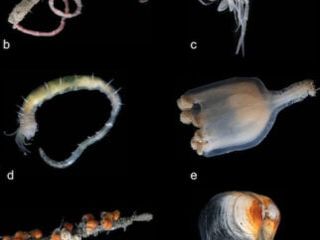
What really grabbed my attention is the sheer amount of life thriving around these vents. Because cold seeps are so persistent, they become havens for all sorts of creatures. The team found chemosynthetic communities – tiny organisms that survive on chemicals instead of sunlight – making a cozy home. Think tubeworms, snails, and amphipods, all living their best lives in this extreme environment. It's a stark reminder that life finds a way, even in the most unlikely of places. And the fact that these creatures are related to those near hydrothermal vents? That's a connection we can't ignore when it comes to conservation efforts.
The researchers didn't stop there. They analyzed the gas and oil from the area and found that the soil dates back millions of years. What's more, these mounds are constantly changing, growing, collapsing – it's a dynamic process shaped by tectonics and environmental shifts. As one of the lead researchers put it, "These are not static deposits. They are living geological features..." This makes the region a unique "ultra-deep natural laboratory" to study the intricate relationship between geology and biology in the Arctic. And let's be honest, this part of the world is under serious threat and deserves our full attention.
For me, this discovery highlights the importance of continued exploration. We've barely scratched the surface of what's hidden beneath our oceans, and these findings prove that there are still incredible secrets waiting to be uncovered. It also reinforces the urgent need to protect these fragile ecosystems. The Arctic is changing rapidly, and understanding these deep-sea environments is critical for developing effective conservation strategies. Who knows what other amazing things are lurking in the depths? Only time (and more research) will tell!
3 Images of Arctic Vents:
Source: Gizmodo