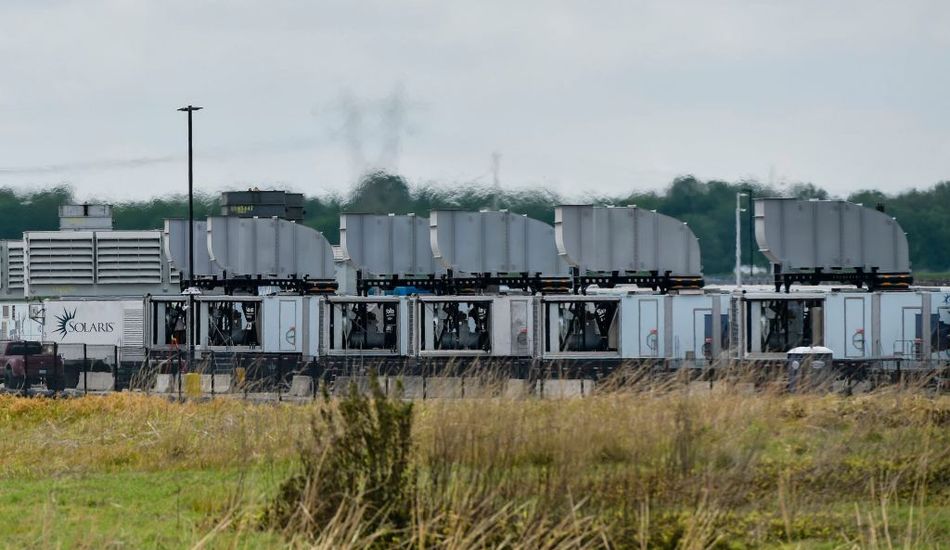
Data Centers Under Fire: Public Resistance Rises Against Server Farm Expansion
Remember when data centers were just those mysterious, humming buildings that powered the internet from afar? Well, those days are long gone. Now, these server farms are sparking protests and heated debates across the US, and I'm here to tell you why. It seems like overnight, they've gone from being a tech industry secret to a major source of public discontent.
What's fueling this sudden surge of opposition? A combination of factors, really. People are worried about the environmental impact, the health risks, and let's not forget those ever-rising electricity bills that seem to coincide with the data center boom. It's like, "Hey, we're just trying to keep the lights on here, and now you're telling us our Netflix habit is powering a whole new server farm down the street?"
And it's not just a few isolated incidents. Activist groups are popping up everywhere, from Michigan to California, trying to stop these projects in their tracks. They're raising valid concerns about how these data centers are impacting their communities, and frankly, I can't blame them. When you see a giant, power-hungry facility going up in your backyard, it's natural to ask questions.
The numbers are staggering. Construction spending on data centers has skyrocketed in recent years, driven by the insatiable demand for AI and cloud computing. We're talking hundreds of billions of dollars here. But is all this growth sustainable? Some experts are already saying that many of these proposed data centers simply won't get built, and honestly, it's hard to argue with them. The backlash is real, and it's getting louder.
Of course, the tech industry isn't taking this lying down. They're launching PR campaigns, trying to convince people that data centers are economic engines that bring jobs and prosperity. And maybe they do, to some extent. But the reality is that these facilities also consume massive amounts of energy and water, and those costs often get passed on to local residents.
The Political Fallout
The data center debate is even spilling over into the political arena. Politicians are starting to realize that this issue could be a make-or-break factor in upcoming elections. Rising electricity costs are a major concern for voters, and if they believe that data centers are to blame, they're going to hold their elected officials accountable. It's a classic case of "pocketbook issues" driving political change.
So, what does the future hold? I think we're in for a long and messy fight. The tech industry needs these data centers to power its AI ambitions, but communities are pushing back hard. It's going to take a lot of negotiation, compromise, and maybe even some new regulations to find a sustainable path forward.
One thing is clear: data centers are no longer invisible. They're a visible, tangible part of our lives, and we need to have a serious conversation about their impact on our communities and our planet. The days of unchecked growth are over. It's time for a more thoughtful and responsible approach.
Source: TechCrunch