Bondi Beach Attack: AI-Fueled Disinformation Spreads
AI Lies Spread After Bondi Beach Tragedy
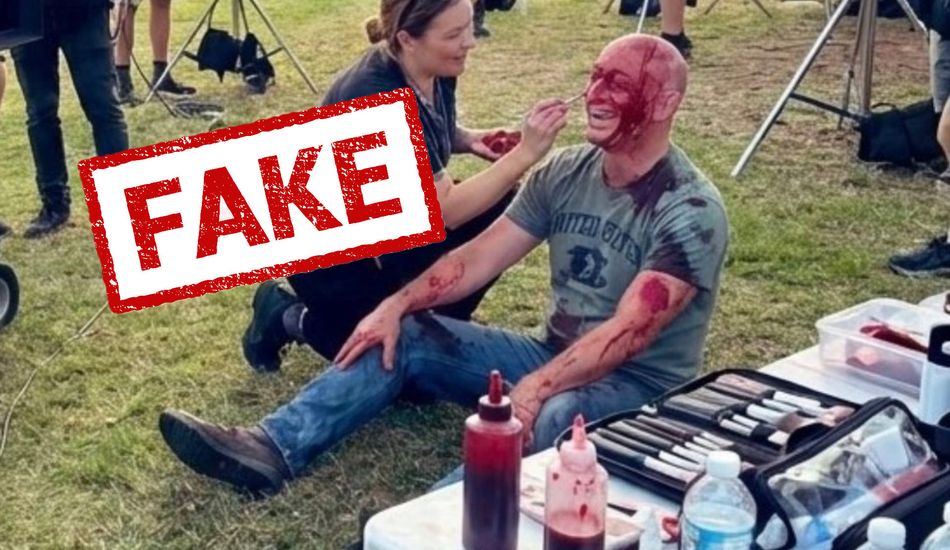
I've been following the fallout from the horrific attack at Bondi Beach, and it's deeply disturbing to see how quickly misinformation can spread online, especially when fueled by AI. It seems like no tragedy is safe from exploitation. One particularly nasty piece of disinformation involves an AI-generated image that tries to paint one of the victims as faking their injuries.
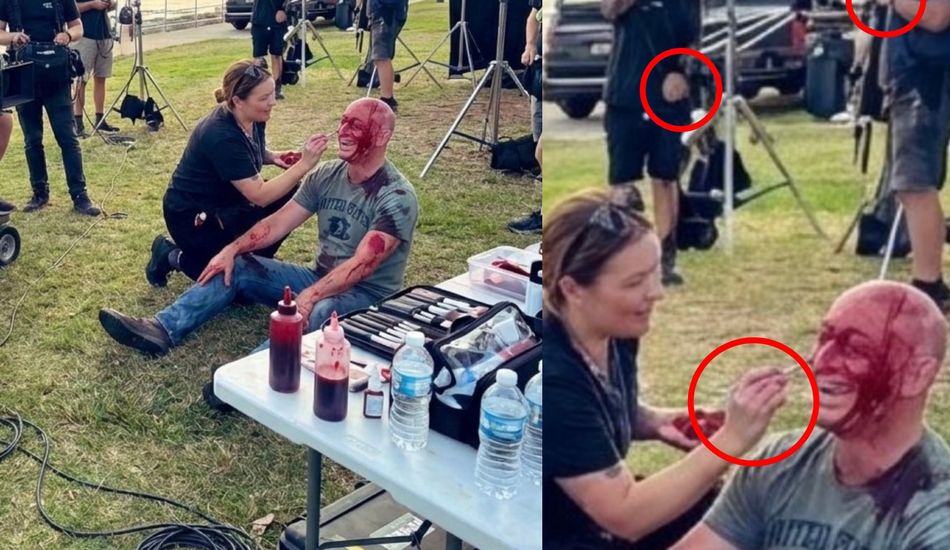
The image, designed to look like a behind-the-scenes shot of a film shoot, shows someone applying fake blood to a person resembling Arsen Ostrovsky, an Israeli lawyer who was actually present at the attack. The goal? To falsely suggest the whole thing was staged. What's truly scary is that even some AI verification tools are failing to identify it as fake.
How do we know it's bogus? Well, for starters, the image is riddled with telltale AI "signatures." Look closely, and you'll see warped figures in the background, like cars melting together and people with deformed hands. The text on the victim's shirt is also mangled, a common issue with AI-generated text. Some people are cropping the image to try and hide these errors, but they're still there if you look closely enough.
Google has been working on a technology called SynthID that creates an invisible watermark on AI-generated images. The good news is that Gemini can now detect this watermark. When tested, the fake image of Ostrovsky did indeed have the SynthID mark. This could be a game-changer in combating AI-generated misinformation, giving us a reliable way to spot fakes.
Other AI image detectors and chatbots aren't doing so hot. Some are flat-out insisting the fake image is real, which is frankly terrifying. These bots are pointing to things like "consistent details" and "natural human anatomy" – things that are clearly not present in the image. This underscores a serious problem: we can't blindly trust AI to identify AI-generated content.
It's also vital to understand how social media algorithms can amplify misinformation. Elon Musk's changes to Twitter, now X, have given a platform to conspiracy theorists and those willing to pay for verification. This means that the voices spreading false information are often the loudest, drowning out the truth.
Arsen Ostrovsky himself has addressed the disinformation campaign, stating that he won't dignify the "sick campaign of lies and hate with a response." It's appalling that victims of such a horrific tragedy have to deal with these kinds of baseless accusations.
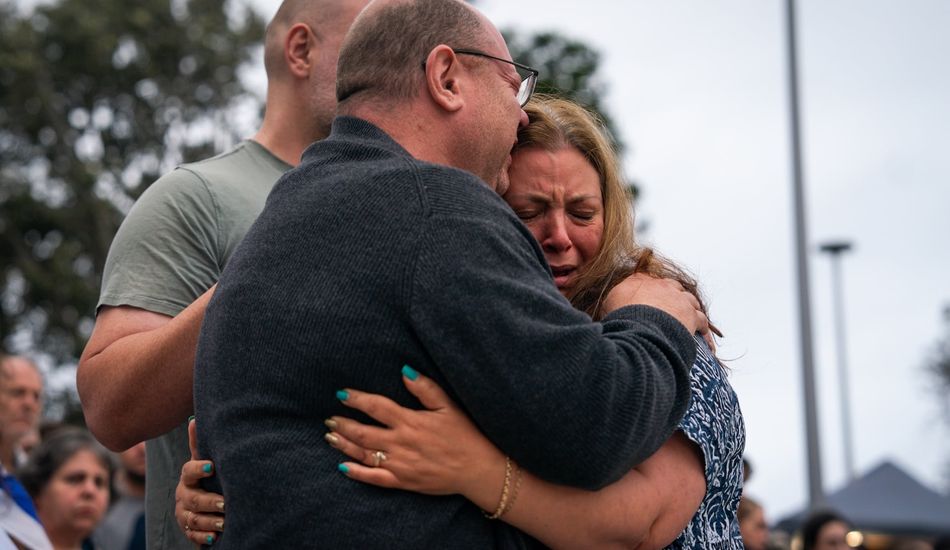
The Bondi Beach attack was a tragedy that claimed the lives of 15 people. It's important to remember the real victims and to fight against the spread of misinformation that only serves to compound the pain and suffering caused by this terrible event. We need to be vigilant and critical thinkers, and we need reliable tools to help us distinguish between what's real and what's not. I really think that the AI watermak detection will change the game.
2 Images of AI Disinformation:
Source: Gizmodo