ASML's Monopoly: Why One Company Holds the Key to AI's Future
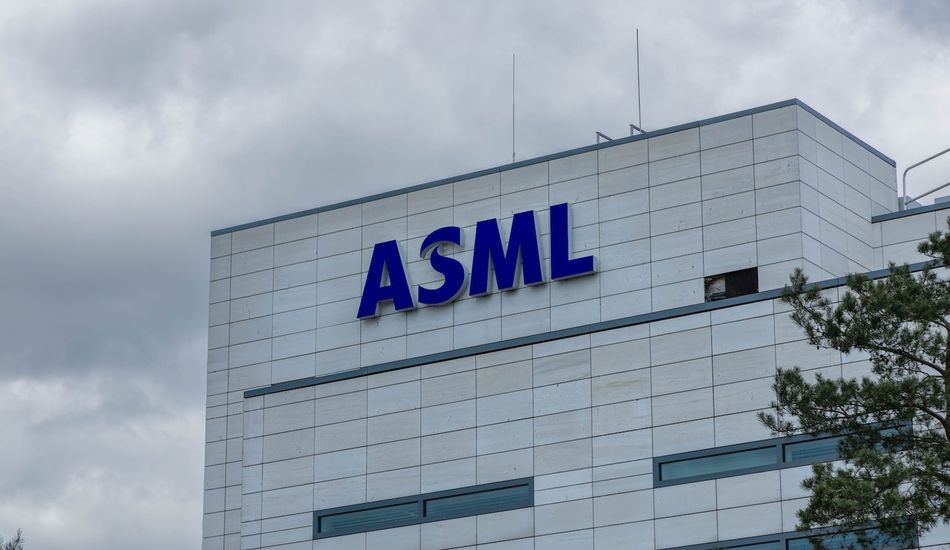
It's wild to think about how much of the tech world hinges on just one company. We're talking about ASML, a Dutch company that's basically the only one making the machines needed to create the most advanced AI chips. Seriously, no one else can do what they do.
A Monopoly You Can't Hate (Too Much)
Now, I know what you're thinking: "Monopoly? That's bad!" And usually, you'd be right. But ASML isn't just cornering the market; they're genuinely making a superior product. Think of it like this: if someone invents a car that runs on water and leaves gasoline cars in the dust, you wouldn't punish them for being innovative, would you? That's kind of ASML's situation.
However, while it's hard to get mad at ASML for being so good at what they do, this kind of concentration of power is definetly something to pay attention to. Nvidia, which dominates the AI GPU market, has already faced antitrust scrutiny. ASML's dominance makes Nvidia's look almost normal. It's like AI's future flows through ASML, and that's a bit unnerving.
So, how does ASML achieve this magic? I won't pretend to understand all the technical details, but it involves shooting lasers at microscopic droplets of molten tin. Yes, lasers and molten tin. This creates a super-bright light that's then used to print incredibly detailed patterns onto the chips that power AI systems. The machines that do this cost around $400 million *each* and need their own dedicated cargo plane. Madness!
But here's where things get even more interesting. ASML is now trying to move to something called "high numerical aperture" (High NA) technology. This will allow them to create even smaller, more powerful chips. Essentially, it's like going from HD to 4K to 8K – everything gets sharper and more efficient.
The thing is, this transition to High NA is a big deal. It's not just a company releasing a new product; it feels like the entire global economy is counting on them. With AI being one of the only sectors that is truly booming, ASML's success is tied to the economic security of, well, everyone. It's a lot of pressure on one company, and one incredibly complex machine.
In short, it's amazing what ASML has accomplished, and their technology is genuinely mind-blowing. However, it also highlights how much we depend on a single point of failure in this new AI-driven world.
Source: Gizmodo