AI Everywhere: How AI Slop Dominated Our Gadgets in 2025
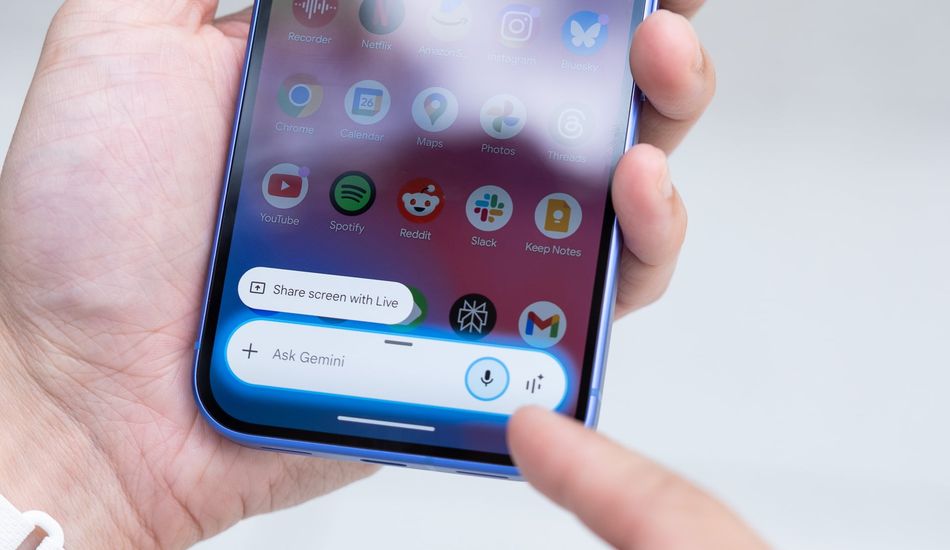
Remember Sundar Pichai's big Google I/O keynote? It felt like every other word was "Gemini." Google's definitely betting the farm on AI, and Gemini, with all its variations, is leading the charge. You've got Gemini in your Pixel, your Gmail, even whispering bedtime stories. I mean, the number of times they said "Gemini" during that conference was kinda wild - 112 times! That's roughly once every minute.
However, Google's not alone in this AI obsession. 2025 felt different. It felt like everything was getting an AI injection, sometimes whether we wanted it or not.
If you've noticed more AI features popping up, you're not crazy. According to some experts, companies need to justify the massive investments they're making in AI. Google, OpenAI, even chipmakers like Apple and ARM are pouring tons of money into it. They need to show us what AI can do.
AI is everywhere
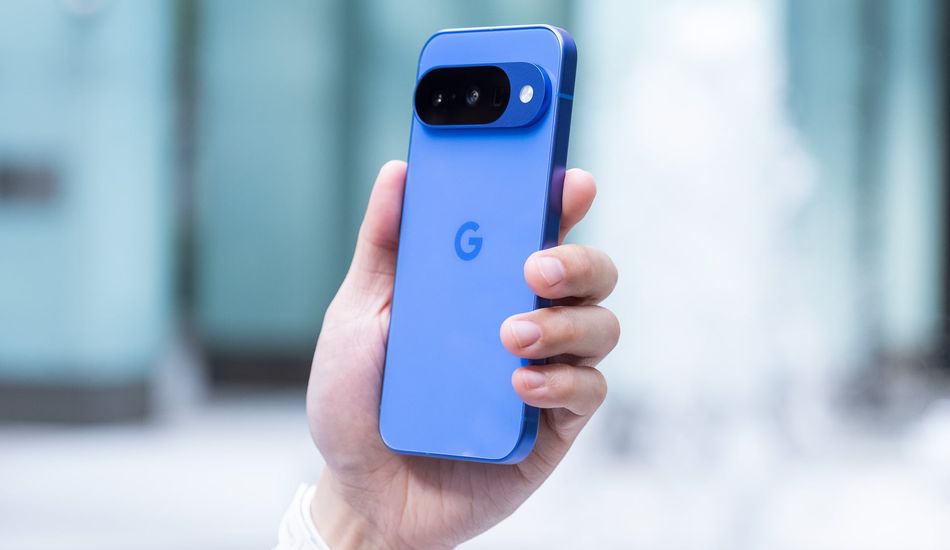
The Pixel 10 is loaded with AI tricks, like magically altering your photos and faking your voice for translations. LG put Copilot in their TVs (though, oops, they later walked that back!). Earbuds are getting transcription and ChatGPT-powered assistants. Microsoft's Copilot is all over Windows 11. Meta's even throwing computer vision into your Ray-Ban smart glasses.
Even gaming isn't safe! Microsoft's Gaming Copilot is supposed to help you with boss battles and strategy. Smart speakers? Yep, Gemini for Home and Amazon's Alexa+ are bringing generative AI to your living room.
You'd think everyone loves these AI features, right? Well, not so fast. That LG TV integration? People hated it. Gemini for Home and Alexa+ aren't exactly winning hearts either. Just peek at the Google Home Reddit – it's full of complaints.
And Microsoft's struggling to get people to use Copilot in Windows 11. The comments on their announcements are, shall we say, not exactly glowing.
Maybe people just don't know what they want from AI yet. As an analyst put it, consumers are often "woefully unaware of what's possible." They might say they don't need it until they try it and realize it's actually useful.
But there's also the marketing side. Companies are hyping up AI, promising the moon, and sometimes, they're not delivering. Microsoft calls Windows 11 "agentic," but is it really? It's like they're over-promising and under-delivering, which can be a major problem with AI.
Because let's be honest, generative AI can be hit or miss. When it doesn't work right, people call it "slop." And that term is even the word of the year!.
Smart glasses are a good example. I have to use Meta AI a lot for the smart glasses I test, and I hate that when I open the app—it’s not my glasses interface,” Sag says. “It’s a Meta AI video feed, which literally nobody wants, but they’re trying to push.”
Combine this "AI slop" with general skepticism, plus worries about the huge amount of resources that AI data centers use, and you've got a recipe for bad PR.
So, what's next? Expect even more AI, not just in software, but in new kinds of gadgets. There's even a joint venture between Sam Altman (OpenAI's CEO) and Jony Ive (ex-Apple design guru) working on some kind of AI wearable.
While some companies are slowing down AI investments, others, like Google, might be gaining ground. Their Pixel 10 sales are surprisingly strong. It's hard to say if that's *because* of the AI, but Google's definitely focusing on making AI useful, like for photo editing or surfacing flight times.
The real question is whether these companies can make AI work in a way that actually resonates with us. As one analyst put it, "People want sharper images. People want easier photo editing. People want, you know, better noise cancellation. They don’t want AI slop.”
3 Images of AI gadgets:




Source: Gizmodo